
Steampunk Constructions
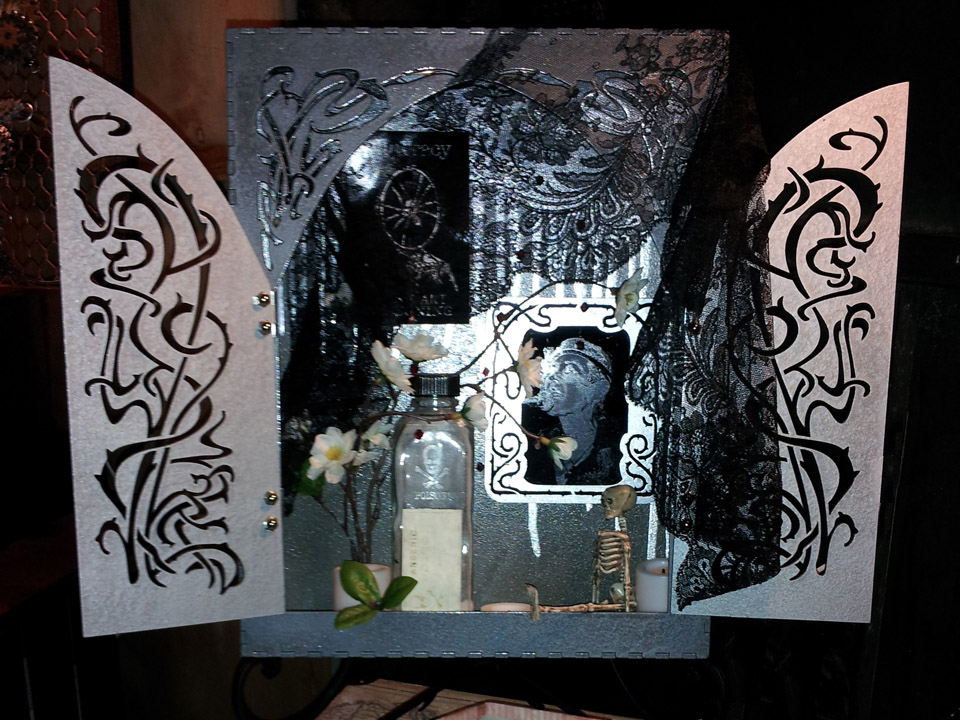
I’ve completely neglected to showcase two of my non-photographic artworks: a shadow box inspired by Jill Tracy‘s song “The Fine Art of Poisoning,” and a wreath of laser-cut cardboard gears.
This shadow box includes my photograph of the elegant Ms. Tracy, laser-etched in black acrylic and accented with silver paint, as well as one of her band stickers, real vintage silk Chantilly lace, a toy skeleton, a vintage laboratory bottle with laser-etched Poison markings, sakura blossoms, LED votive candles, and blood-red crystal beads. I designed the box myself, and laser-cut it from MDF. It’s painted with “hammertone” paint for a Gothic/industrial effect. This is really more Goth than Steampunk, created for the Edwardian Ball art exhibits. It wasn’t ready for the 2012 Edwardian Ball, but it had a place of honor this year, as did the wreath. Both have also been accepted to the Museum of Curiosities art show at the Nova Albion Steampunk Exhibition.
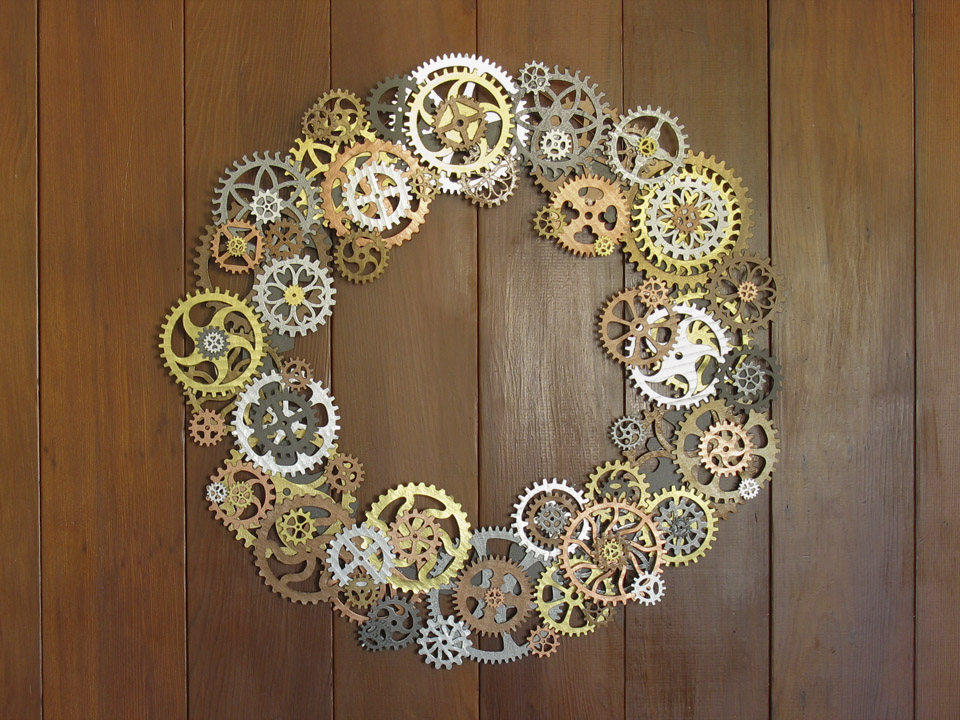
The gear wreath is the third I’ve made; the others were commissioned via Etsy and decorate steampunk households on the East Coast and in Australia. I built this one for a promotional video on Etsy last November.
Last call for Steamstock!
Steamstock looks to be the event of the season for Steampunk society in the Bay Area!
Don’t miss Thomas Dolby, Abney Park, Vernian Process, and ten other bands including the lovely Unwoman.
I found out yesterday we were mentioned in Studio 360’s feature on Steampunk culture this week: http://www.studio360.org/2012/oct/05/steampunk-victoriana-remixed/
(And of course, I’m going to be vending. See you there!)
Technology and Art in Silicon Valley
Computers, space exploration, airships, Google, iGadgets, transhumanism, 3D printers, TechShop… all the technologies of science fiction becoming reality converge in Silicon Valley. It’s pretty amazing, and you wonder what’s coming next. But narrative fiction isn’t the only way to explore and inspire possible futures: there are also art and music.
If you have time this weekend , check out the ZERO1 Biennial in San Jose for performances and artist lectures at the (e)MERGE Street Festival, as well as gallery shows and public art. (I’m sure there will be food trucks, too.) The show started Wednesday, September 12, 2012, but I was preoccupied with my own art and didn’t check the schedule until today.
There’s even a brunch with author and commentator Bruce Sterling on Saturday morning, September 15, 2012. There are also associated events all around the SF Bay Area from August until November, but the headquarters is in San Jose’s South First Arts district, only a couple of blocks from my own headquarters at TechShop San Jose.
Of course I can’t skip TechShop’s contribution to the festival; they’re the site for Ars Virtua’s V2V Project, a sister-city type of art exchange between Silicon Valley in California and Titanium Valley in Russia. San Jose locals may recall their previous exhibit in the City Hall spaces on Fourth Street, featuring photography by California artists visiting Yekaterinburg, Russia and Russian artists visiting California. The current exhibit portrays our region’s transition from the agricultural Valley of the Heart’s Delight to Silicon Valley. This is one of the few installations associated with ZERO1 that won’t be sticking around for at least a month; it’s in the classroom/conference room, and I’m sure TechShop needs it back.
Another exhibit you may want to catch while it’s still around is more literally historical in nature: City Beneath the City by Rene Yung features artifacts from San Jose’s Chinatown that was razed to build areas of the current downtown. It’s at the San Jose Museum of Contemporary Art and closes Sunday, September 16, 2012.
I don’t want to give the impression this is all retrospective–those two exhibitions are not a representative sample! Most of the art I saw at the main venue was more about technology and society in the present and future than it was about history. That show continues to December 8, 2012, so if you don’t have time this weekend, it’s worth a trip some other time. Most of the works are thought-provoking and/or interactive–and there’s a reading room–so it’s probably good to visit some time when it’s less crowded than it will be this weekend. I enjoyed some reflective time there in the early evening while most patrons were still stuck on the freeway after work.
If you’re in the Bay Area but San Jose is too far for you, check the schedule anyhow. There are quite a few events and exhibits in San Francisco, Berkeley, and even Marin.
New storefront with Storenvy
I just added a Storenvy online storefront. They’re the hot new thing out of the Mission District in SF, and it’s really easy to setup AND customize your own shop.
This weekend, Storenvy’s trying to make it to 20,000 shops–so if you’ve been procrastinating about opening an online store, now’s the time.
August First Friday at TechShop SJ
This Friday, August 3, 2012, I’ll be showing my wares at TechShop San Jose from 7 to 10 p.m. along with Ilana Murray of The Golden Gear.
You can find TechShop at 300 S. 2nd St. in downtown San Jose, between SJSU and the Convention Center. TechShop’s free parking may fill up, but it’s a block and a half from VTA Lightrail stop Paseo de San Antonio and tons of bus routes. There’s lots of college-town eateries around, and the South First Avenue (SoFA) District galleries are open late (9-10 p.m.).
Steampunk Gear Wreath Instructable
I posted a project photo Instructable for my gear wreath, which is timely because I have a new commission to make another one. This is my first Instructable, and I hope it qualifies me for a free TechShop class even though it isn’t a step-by-step.
TechShop started a contest last year so members could earn free classes by writing Instructables for projects they made at TechShop, as a way to promote TechShop to Makers who aren’t members yet. Apparently it’s been successful, because it seems to be an ongoing program.
June Shows!
I’m going to be at the
San Pedro Square Arts & Crafts Market on June 17th in San Jose and the
Chillin Productions 14 Years Anniversary Show on June 23rd in San Francisco.
Two craft fairs this weekend!
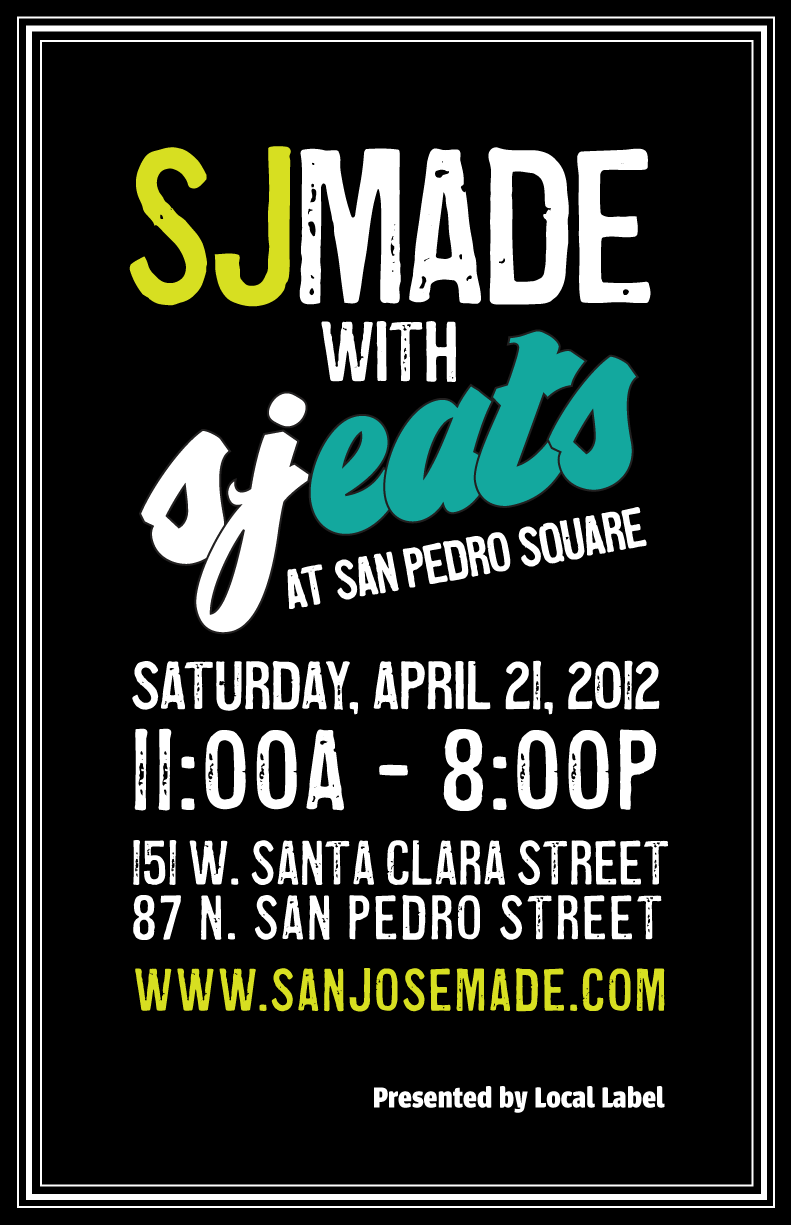
I’m going to be sharing a booth at SJ Made with The Golden Gear on Saturday, April 21, 2012. This event is at San Pedro Market Square near Downtown San Jose. I’m planning to sell tie-dye.
On Sunday, April 22, I’m going to be selling some of my upcycled cardboard Steampunkery at Earth Day Palo Alto.
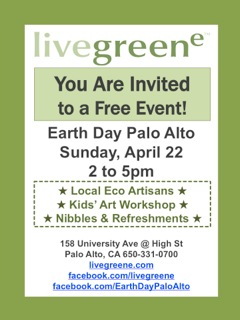
Earth Day flyer
Arts & Crafts in San Jose
This Sunday, April 15, I’ll be vending at the new San Pedro Square Arts & Crafts Fair. Free admission, and the weather report predicts sun, so come visit me and check out the event! The address, which is a bit hard to read on screen, is 87 North San Pedro Street, San Jose, CA.
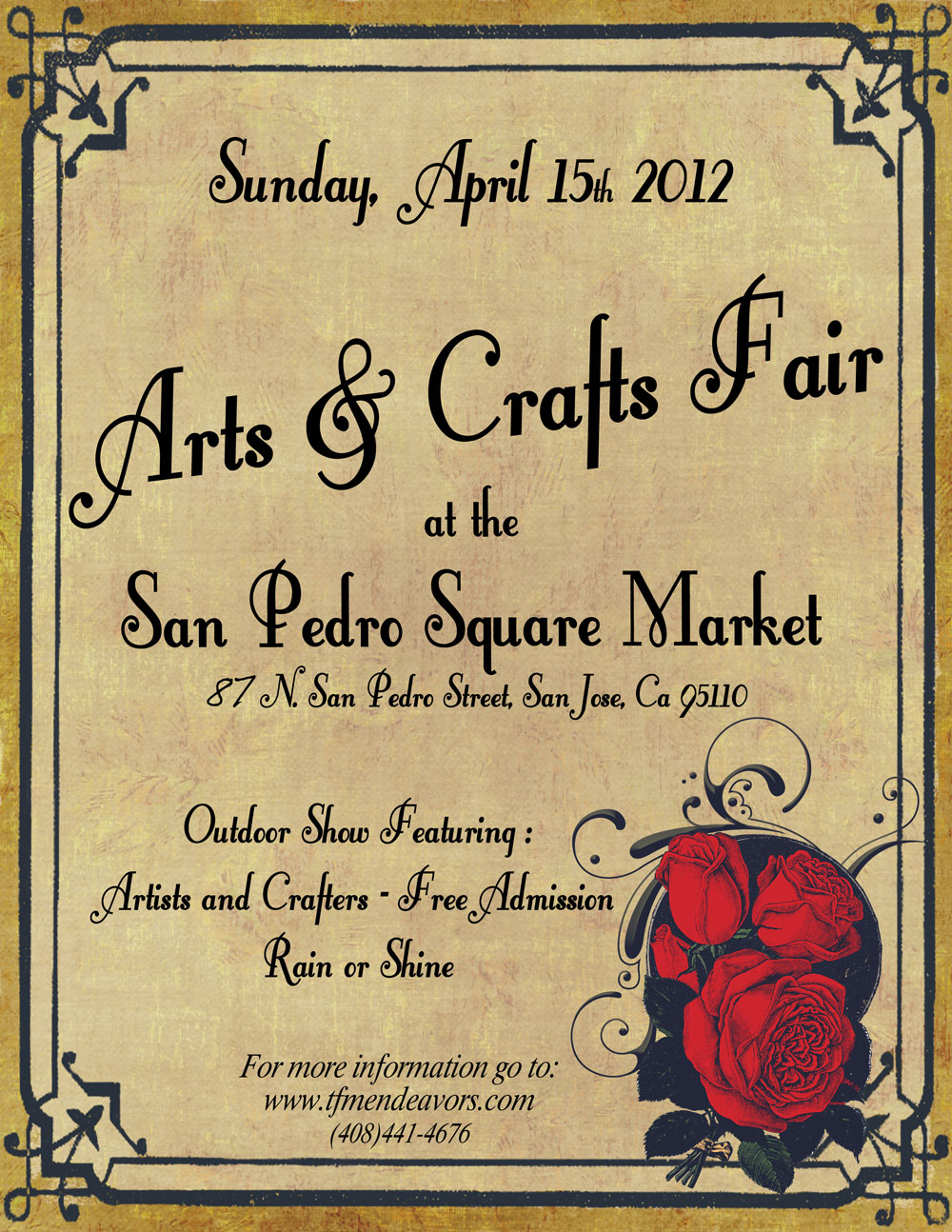
Arts & Crafts Fair Flyer
Portfolio: Botanical
Here are two dozen of my best botanical photos, as seen in my Sense of Wonder show.
-

- Red leaf
-

- Thai eggplant
-
- Colorful bell pepper
-
- Water lily
-
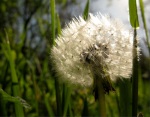
- Dandelion
-
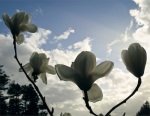
- Backlit magnolias
-
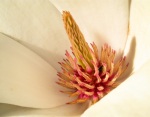
- Magnolia and guest
-
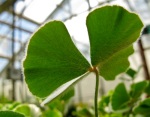
- Oxalis foliage
-
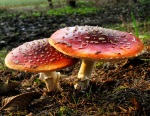
- Amanita muscaria
-

- Fern fiddlehead
-

- Wild rosehips
-

- Romanesca cauliflower
-
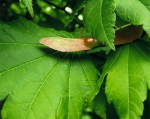
- Maple seed
-
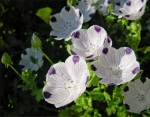
- Five-spot Nemophila
-
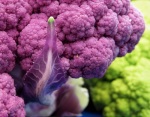
- Purple cauliflower
-
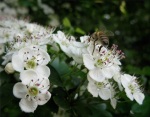
- Hawthorne and bee
-

- Red bell pepper
-

- Mixed hot peppers
-
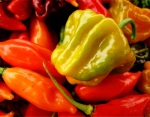
- Habaneros
-
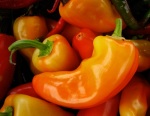
- Jalapenos
-
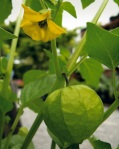
- Tomatillo plant
-
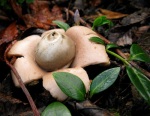
- Earth-star fungus
-

- Arbutus unedo
-
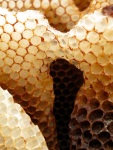
- Honeycomb
Resources


The artist
Welcome to my online portfolio!
Although my most recent show, Sense of Wonder, gathers my botanical macrophotography, I also enjoy documenting my travels and the interesting people I encounter. One common thread in my fine art work is that I have taken a naturalistic documentary approach, working with available light and capturing scenes without intervention, rather than composing and lighting still life settings or models.
However, for graphic design work, I enjoy the challenge of setting up a scene to physically manifest the concepts from my imagination, as in the medicine cabinet photo. Although I can apply my photographic skills to design concepts, I am also skilled in Adobe Illustrator and can draw everything from clip art to scientific illustrations.

 Splendid Colors